Small districts deserve big-city compliance tooling
Every library district, fire district, and park district in the country publishes public documents — and under DOJ ADA Title II, those documents have to be accessible by April 26, 2028. Cities have digital teams for this. Special districts have a director who already does five jobs. Ketchly exists to close that gap: accessibility remediation that a one-person office can actually run.
The name
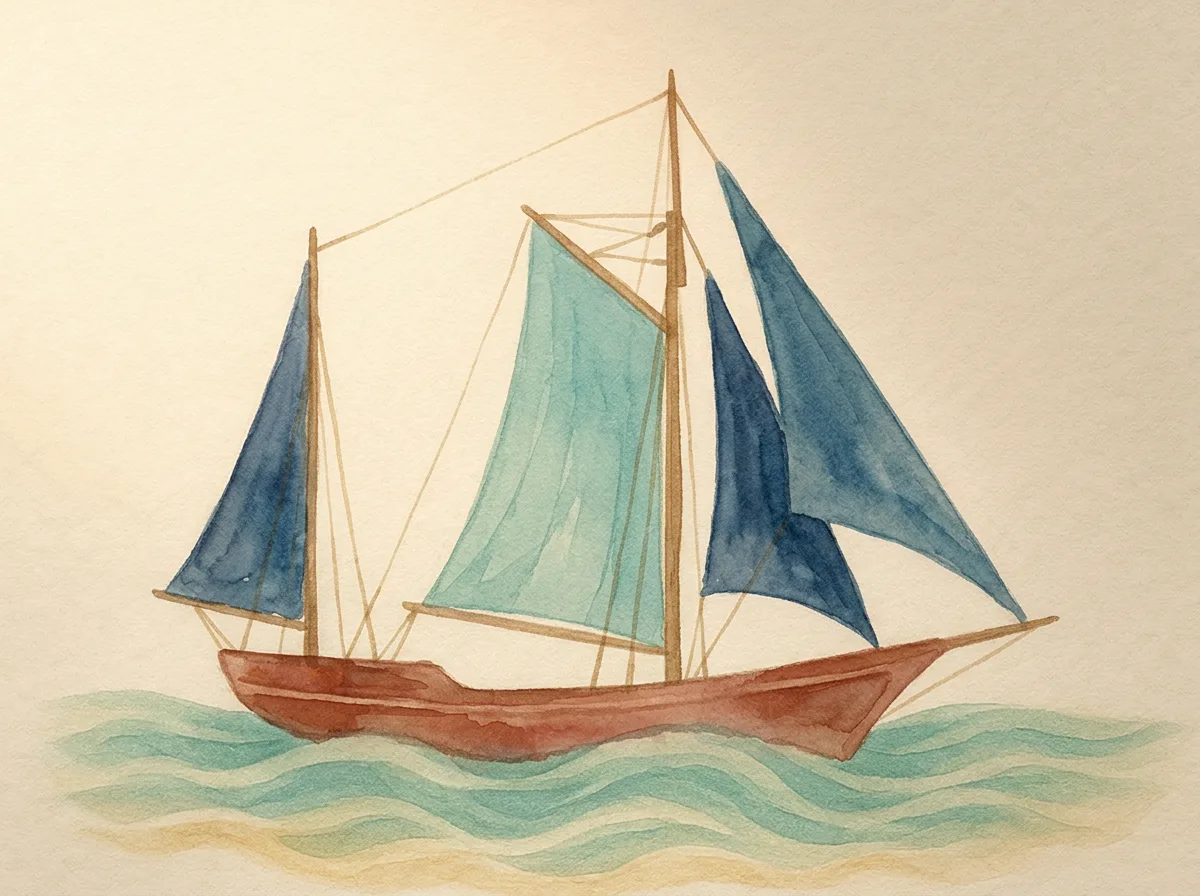
A ketch is a small two-masted sailboat — rigged so a small crew can take it a long way. That's the whole product philosophy in one image: real capability, sized for the people who actually run small districts.
Who it's for
Ketchly is built for the people who keep small districts running — library directors, fire chiefs, district clerks, office managers. You don't need to know what PDF/UA means or what a tag tree is. You need the documents on your website to be accessible, a record proving they are, and a bill your board won't question.
Why a subscription instead of per-page
The traditional way to remediate PDFs is to send them to a service that charges by the page and returns them in a few days. That model works — it validated this market — but it fits big backlogs and big budgets. For a small district, per-page pricing turns every old newsletter into a budget question, so the archive never gets done.
Ketchly is flat-rate on purpose: when remediating one more document costs nothing extra, the right amount of your archive to fix is all of it.
Who's behind Ketchly
Ketchly is built by a small crew that got tired of watching compliance tooling get built for the customers with the biggest contracts instead of the most need. We're starting with library districts in Indiana and growing from there, one kind of district at a time.